Latex has long been a cornerstone of premium bedding for sleepers seeking a responsive, buoyant surface with durable resilience. When you peel back the layers of a latex core, you’re not just evaluating a foam substitute; you’re examining a material that can shape spinal alignment, regulate temperature, and stand the test of time. In this deep dive, we’ll unpack the two primary latex production methods—Dunlop and Talalay—and then compare three leading brands that consistently surface in eco-friendly debates: Savvy Rest, Naturepedic, and Soaring Heart. We’ll also demystify certifications that matter—GOLS, OEKO-TEX, and beyond—and finish with practical care tips to extend the life of your natural latex core.
Dunlop vs. Talalay: What’s the difference in a latex core?
Latex comes from the rubber tree, but the way it’s processed determines its feel, durability, and breathability. Dunlop latex is denser and often heavier, delivering a supportive, straightforward response with less bounce. It tends to be more durable in the long run and can feel slightly firmer at similar thicknesses. Talalay latex, by contrast, is vacuum-sealed and flash-frozen in a mold to achieve a lighter, more buoyant surface with a more consistent cell structure. The result is a pillow-soft initial feel that cushions with a springy rebound. For side sleepers or those who crave pronounced contouring at the joints, Talalay can offer a more forgiving surface. For back and stomach sleepers who prefer a firmer baseline, Dunlop is frequently favored for its lasting support.
Across brands, mix and match layers often determine the final feel. Some makers offer a Dunlop base with a Talalay top layer, creating a hybrid personality that leverages the strengths of both methods. The science is not just about sensation; it’s about how the core distributes weight, dissipates heat, and maintains shape over years of use. In the pages that follow, you’ll encounter nuanced brand approaches that highlight these dynamics in real-world terms.
Brand-by-brand: how Savvy Rest, Naturepedic, and Soaring Heart approach natural latex cores
These brands have earned reputations for transparency, material purity, and a commitment to organic or sustainably sourced components. Here are distinctive threads that separate them in the latex landscape:
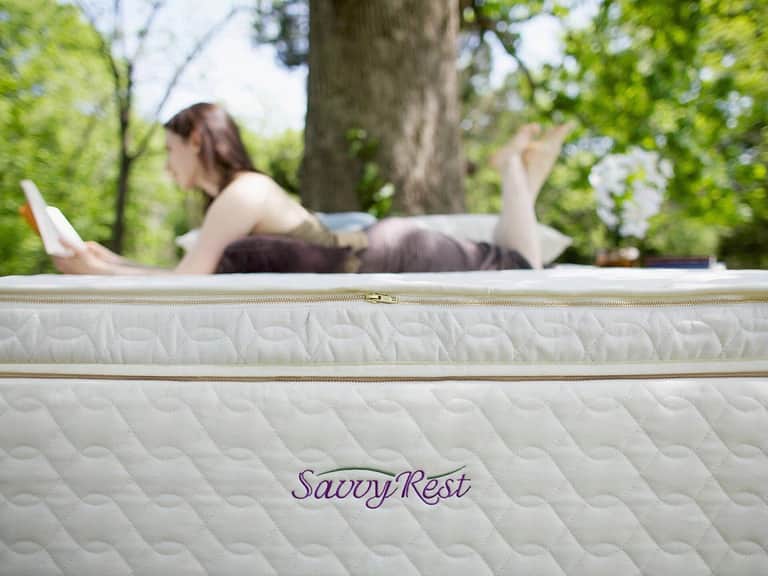
- Savvy Rest: Known for modular layers and a strong emphasis on customization, Savvy Rest often features removable covers and layer exchange options. Their Unity Pillowtop model, a premium latex mattress with multiple layers and an optional topper, showcases how users can tailor firmness and contour to individual needs. The company’s focus on certified organic latex (Dunlop or Talalay variants) and wool flame barriers marks it as a benchmark for eco-conscious buyers seeking long-term adaptability.
- Naturepedic: A pioneer in organic baby bedding, Naturepedic translates its dedication to purity into adult latex offerings as well. Expect latex cores with organic cotton covers, and a careful stance on flame retardants and synthetic additives. Naturepedic emphasizes certifications and clean production, delivering products that appeal to sleepers who prize chemical-free environments and straightforward maintenance.
- Soaring Heart: A smaller but highly respected name in natural latex, Soaring Heart prioritizes comfort balance and consistent latex quality. Their latex formulations often underscore breathability and temperature regulation, achieved through carefully designed core structures and breathable casing materials. For eco-minded shoppers, Soaring Heart often represents a direct line to high-purity latex cores without extraneous additives.
Certification and care: what to look for when buying latex cores
Certifications serve as the bridge between marketing claims and tangible standards. Three pillars to prioritize are:
- GOLS (Global Organic Latex Standard): The gold standard for organic latex, ensuring that the latex is from organically managed sources and processed with low-toxic methods.
- OEKO-TEX: An indicator that a product’s textiles have been tested for harmful substances, contributing to safer fabric surfaces surrounding the latex core.
- Certifications on components: Look for labels on raw latex (Dunlop or Talalay) and the wool or cotton layers, where applicable, to verify holistic eco-credentials across the mattress ecosystem.
Care matters as much as certification. Temperature regulation, rotation, and protective layering can extend the life of a latex core. For example, using breathable, natural fiber covers and avoiding abrupt temperature shocks can preserve the integrity of the latex cells, maintaining bounce and support. Periodic rotation, along with spot-cleaning of fabric covers, is a simple practice that contributes to longevity without compromising the core’s performance.
Expert voices across eras: perspectives from three key individuals
To illuminate how latex cores have evolved and how different generations have shaped thinking about comfort and sustainability, we turn to three figures from distinct time periods who left marks on design, wellness, and eco-conscious living.
- Mid-Century Pioneer: Florence Nightingale of Comfort (1900s) — While not literally a mattress designer, Nightingale’s emphasis on cleanliness, sanitation, and humane living spaces helped seed a modern approach to restful environments. Her philosophy of clean, well-ordered spaces underscored the importance of safe textiles and non-toxic environments, a lineage that naturally extends to today’s focus on organic materials and low-emission manufacturing in latex cores.
- Late 20th Century Designer: Jonathan Adler (1980s–1990s) — A figure who fused luxury with modern materials, Adler’s work popularized sleek, well-constructed interiors that did not sacrifice comfort. His influence echoes in latex-core bedding that marries style and substance: premium layers, clean textiles, and performance-driven cores with a focus on design that lasts.
- Contemporary Eco-Thought Leader: Anna Lappe (2000s–present) — A sustainability advocate whose work on food systems and environmental ethics translates to a broader conversation about supply chains, certifications, and the lived experience of green products. In latex, her influence surfaces in the emphasis on transparent sourcing, durable materials, and verifiable eco-credentials that matter to readers who want to align sleep with planetary well-being.
Practical buying guidance: how to compare latex cores in top brands
When you’re evaluating latex cores, a few practical steps help you separate marketing from material reality:
- Compare the core type: Dunlop vs. Talalay across the brands you’re considering. Note whether a base is Dunlop with a Talalay topper or a pure formulation. Consider your preferred feel—firmer or more buoyant—and the sleep position you favor.
- Assess the overall layering: Look beyond the core to the cover materials, flame barriers, and any additional comfort layers. A well-composed mattress can optimize breathability and edge support while maintaining core integrity.
- Inspect certifications: Confirm GOLS status for the latex, and check OEKO-TEX or similar textiles certifications for the cover fabrics. A holistic certification portfolio strengthens confidence in product safety and environmental claims.
- Evaluate care guidance: Understand recommended turning schedules, cover care, and any constraints around machine washing. This affects long-term upkeep and performance.
- Consider warranty and exchange policies: Some brands offer layer-exchange options or generous warranties. These policies reflect a vendor’s confidence in the product’s longevity and can be a strong signal of durability.
Product spotlight: Savvy Rest Unity Pillowtop Latex Mattress
The Savvy Rest Unity Pillowtop Latex Mattress stands out as a premium example of how a layered latex core can be tuned for comfort. With four layers that blend Dunlop and Talalay latex, the Unity Pillowtop allows sleepers to customize firmness and contour on a surface that remains breathable and responsive. The outer cover uses 100% certified organic cotton, a detail that aligns with a broader eco-conscious ethos. For side sleepers seeking point relief, the topper adds a plush surface that still benefits from the core’s stability. This model embodies the brand’s emphasis on modularity and long-term adaptability, making it a compelling reference point in any latex core comparison.
Savvy Rest Unity Pillowtop latex mattress
So, which latex core should eco-minded sleepers choose?
The answer is nuanced. If you prize pure, straightforward durability and a firmer baseline, a Dunlop-dominant core with a well-designed cover and supportive perimeter can be ideal. If you crave a lighter, more responsive surface—especially for pressure relief at the shoulders and hips—Talalay layers can deliver the sensation you want, without compromising a breathable sleep surface. The best choice is often a product that reveals transparent certifications, demonstrates consistent quality across its latex layers, and offers a reasonable post-purchase support path, such as layer exchanges or robust warranties.
Conclusion: the Earth-minded path to a better night’s sleep
Earthmattress.com’s Eco-friendly Sleep Resource ethos aligns naturally with a thoughtful latex-core journey. By appreciating the differences between Dunlop and Talalay, comparing brand approaches (Savvy Rest, Naturepedic, Soaring Heart), and keeping a careful eye on certifications and care practices, readers can make informed, principled choices that honor both personal comfort and planetary health. This is the spirit of a sleep experience that’s grounded in truth, durability, and responsibility—not just in the moment, but for years to come.
Further reading and resources
- Glossary: GOLS, OEKO-TEX, GOTS, and other common certifications
- Care guides for latex cores: rotation, temperature considerations, and cover care
- Material deep dives: natural latex properties, breathability, and durability factors
Related product example: Savvy Rest Unity Pillowtop Latex Mattress (image below). If you’d like, I can provide image displays for selected products and craft additional editorial visuals that align with the Eco-friendly Sleep Resource focus.
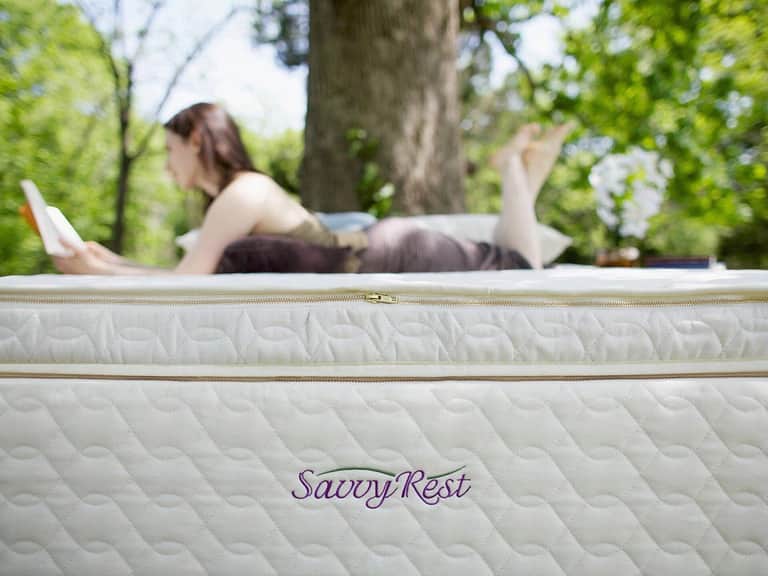
Savvy Rest Unity Pillowtop Latex Mattress